








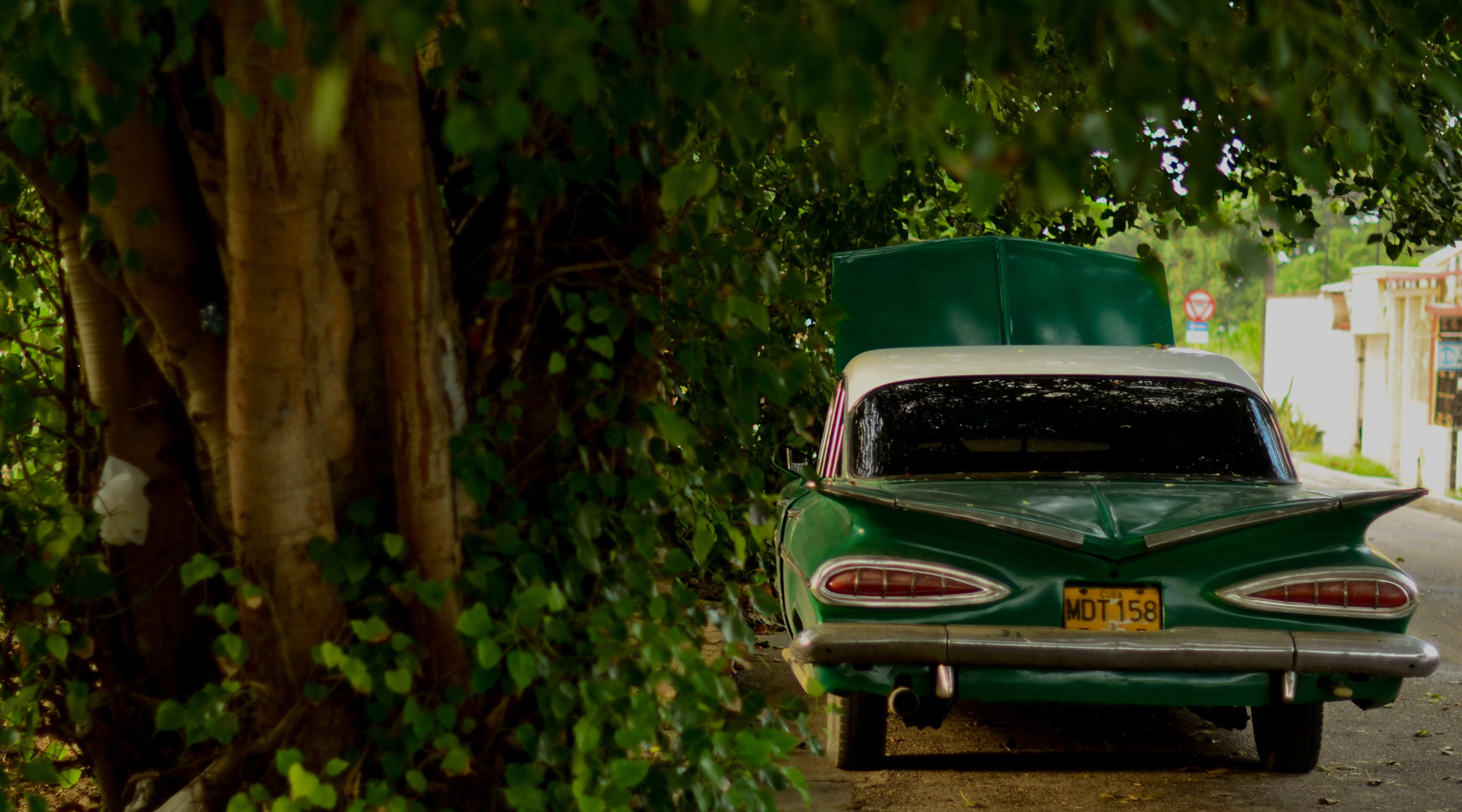
From the Pacific to the Atlantic by the Lincoln Highway, with California and the Virginias and Maryland thrown in for good measure! What a tour it has been!
As we think back over its miles we recall the noble pines and the towering Sequoias of the high Sierras of California; the flashing water-falls of the Yosemite, so green as to be called Vernal, so white as to be called Bridal Veil; the orchards of the prune, the cherry, the walnut, the olive, the almond, the fig, the orange, and the lemon, tilled like a garden, watered by the hoarded and guarded streams from the everlasting hills; and the rich valleys of grain, running up to the hillsides and dotted by live oak trees.

An example caption.
We recall miles of vineyard under perfect cultivation. We see again the blue of the Pacific and the green of the forest cedars and cypresses. High Lake Tahoe spreads before us, with its southern fringe of emerald meadows and forest pines, and its encircling guardians, lofty and snow-capped. The high, grey-green deserts of Nevada, Utah, and Wyoming stretch before us once more, and we can smell the clean, pungent sage brush. We are not lonely, for life is all about us. The California quail and blue-jay, the eagle, the ground squirrel, the gopher, the coyote, the antelope, the rattlesnake, the big ring snake, the wild horse of the plains, the jack rabbit, the meadow lark, the killdeer, the red-winged blackbird, the sparrow hawk, the thrush, the redheaded wood-pecker, the grey dove, all have been our friends and companions as we have gone along. We have seen them in their native plains and forests and from the safe vantage point of the front seat of our motor car.
The lofty peaks of the Rockies have towered before us in a long, unbroken chain as we have looked at them from the alfalfa fields of Colorado. Read More



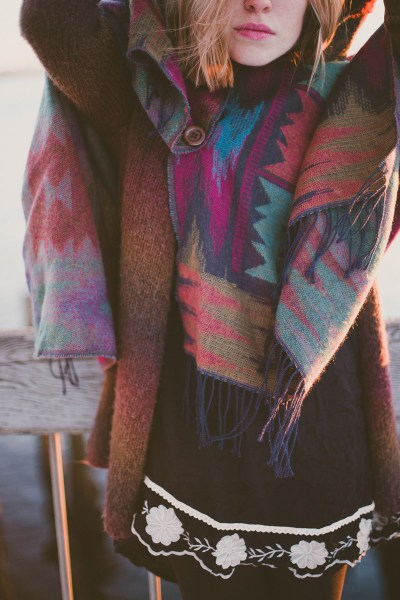 The costume of our progenitors was chiefly remarkable for its extreme simplicity; and, as far as we can gather, no difference in design was made between the sexes. A few leaves entwined by the stalks, the feathers of birds, the bark of trees, or roughly-dressed skins of animals were probably regarded by beaux and belles of the Adamite period as beautiful and appropriate adornments for the body, and were followed by garments made from plaited grass, which was doubtless the origin of weaving, a process which is nothing more than the mechanical plaiting of hair, wool, flax, &c. In many remote districts these primitive fashions still prevail, as, for example, in Madras, where, at an annual religious ceremony, it is customary for the low caste natives to exchange for a short period their usual attire for an apron of leaves. In the Brazilian forests the lecythis, or “shirt tree,” is to be found, from which the people roll off the bark in short lengths, and, after making it pliable in water, cut two slits for the arm-holes and one for the neck, when their dress is complete and ready for use. The North American Indian employs feathers for purposes of the toilet, and many African tribes are noted for their deftly-woven fabrics composed of grass and other vegetable fibres, while furs and skins are essential articles of dress in Northern latitudes. Perhaps the earliest specimen of a modiste’s bill in existence has recently been found on a chalk tablet at Nippur, in Chaldea. The hieroglyphics record ninety-two robes and tunics: fourteen of these were perfumed with myrrh, aloes and cassia. The date of this curious antique cannot be less than two thousand eight hundred years before the Christian era. In ancient times it must be remembered that the principal seats of civilisation were Assyria and Egypt, and upon these countries Western nations depended for many of the luxuries of life. The Jews derived their fine fabrics from the latter place, which was particularly noted for its linen manufactures and for magnificent embroideries, of which the accompanying illustration will give some idea. Medes and Babylonians, of the highest class, partially arrayed themselves in silk, which cost its weight in gold, and about the time of Ezekiel (B.C. 594) it is known to have been used in the dress of the Persians. It is a remarkable circumstance that this animal product was brought to the West manufactured in cloth, which was only half silk; and it is said the plan was devised of unravelling the stuff, which was rewoven into cloth of entire silk. Owing to its high price, the Romans forbade its being used for the entire dress by men, complete robes of silk being reserved for women. It is numbered among the extravagant luxuries of Heliogabalus that he was the first man who wore a silken garment, and the anecdote is well known of the Emperor Aurelian, who refused, on the ground of its extravagant cost, a silk dress which his consort earnestly desired to possess.
 Windfall Dancers, Inc